
Functional Vision Evaluation
Vision is more than 20/20.
Clear eyesight alone does not ensure that a child’s visual system is working efficiently for learning, reading, and everyday activities.
Many visual skills essential for academic success—such as eye coordination, focusing, tracking, and depth perception—are not fully assessed during routine vision screenings or basic eye exams. As a result, a child may pass a school or pediatrician screening and still experience visual difficulties that affect learning and performance.

At Family Eyecare Solutions, concerns related to learning, reading, attention, and visual efficiency are addressed through a Functional Vision Evaluation, which begins with a comprehensive eye and vision examination. This visit evaluates eye health, vision clarity, and how the eyes work together as a system.
Based on the findings from the comprehensive examination, Dr. Vasilakos may recommend additional testing to further assess specific visual skills. These assessments are selective and purposeful, and are recommended only when they provide meaningful clinical information. If additional testing is suggested, the purpose of the testing and any associated fees are reviewed with families before proceeding.
For children who struggle with reading, visual comfort, attention, or academic performance—or for those receiving educational support services—a thorough evaluation of functional vision is an important step in understanding whether visual skill inefficiencies may be contributing to these challenges.
Vision, Learning, and Educational Support
Vision plays a significant role in how children take in and process information. In fact, a large portion of learning is visually mediated, particularly in the classroom where reading, writing, and visual attention are central to academic tasks.
For children receiving special education services or academic support, it is especially important to ensure that visual skills are functioning efficiently. While visual challenges are not the sole cause of learning difficulties, unrecognized visual skill inefficiencies can contribute to frustration, fatigue, and reduced academic performance.
A comprehensive evaluation of functional vision helps determine whether visual factors may be playing a role and ensures that vision is not an overlooked barrier to learning.
Does your child experience any of the following symptoms?
- Closes or covers one eye
- Frequently rubs eyes
- Poor reading comprehension
- Complains of blurred vision
- Complains of headaches when reading
- Loses place or skips lines when reading
- Short attention span
- Sometimes sees double
- Reads for only a short time
- Holds books/print very close
- Often states that eyes are tired
- Moves head excessively when reading
- Uses finger to keep place when reading
When Should You Bring Your Child in for a Vision Examination?
According to the American Optometric Association, children should receive their first comprehensive eye and vision examination between 6 months and 1 year of age. Early examinations help ensure that visual development is progressing as expected during critical stages of growth.
As a participating InfantSEE provider, Dr. Vasilakos offers a comprehensive eye and vision assessment for infants at no cost to the family during this first year of life.
After the first examination, children should have another comprehensive vision exam around age 3, when visual skills such as eye coordination, focusing, and depth perception continue to develop rapidly.
A helpful general guideline for families is to schedule a child’s first vision examination around the time of their first dental visit or first haircut—milestones that often coincide with a child’s ability to participate comfortably in an exam.
After age 3, children should be seen annually, or more frequently if recommended by Dr. Vasilakos based on a child’s visual development, symptoms, or specific needs.
Why Should You Bring Your Child in for a Functional Vision & Learning Evaluation?
Vision plays an important role in a child’s overall development and academic performance. When visual skills are not working efficiently, children may struggle with reading, learning, attention, or visual comfort—even if they can see clearly on a standard eye chart.
Early identification of visual skill inefficiencies is important. The sooner visual concerns are recognized, the sooner appropriate recommendations can be made to support a child’s development and learning.
There is no substitute for a comprehensive eye and vision examination. Vision screenings are limited in scope and are designed only to identify a small percentage of vision problems. Passing a school or pediatrician screening does not mean that all visual skills necessary for learning are functioning well.
Based on the findings of this examination, Dr. Vasilakos may recommend additional testing to further evaluate specific visual skills such as eye coordination, focusing, tracking, or depth perception. These assessments are recommended only when clinically indicated and are discussed with families before proceeding.
As a developmental and functional optometrist, Dr. Vasilakos offers a range of non-surgical treatment options when appropriate, including optometric vision therapy, treatment for eye turns or lazy eye, myopia control, and prescription lenses such as glasses or contact lenses.
What Vision Screenings Do Not Detect
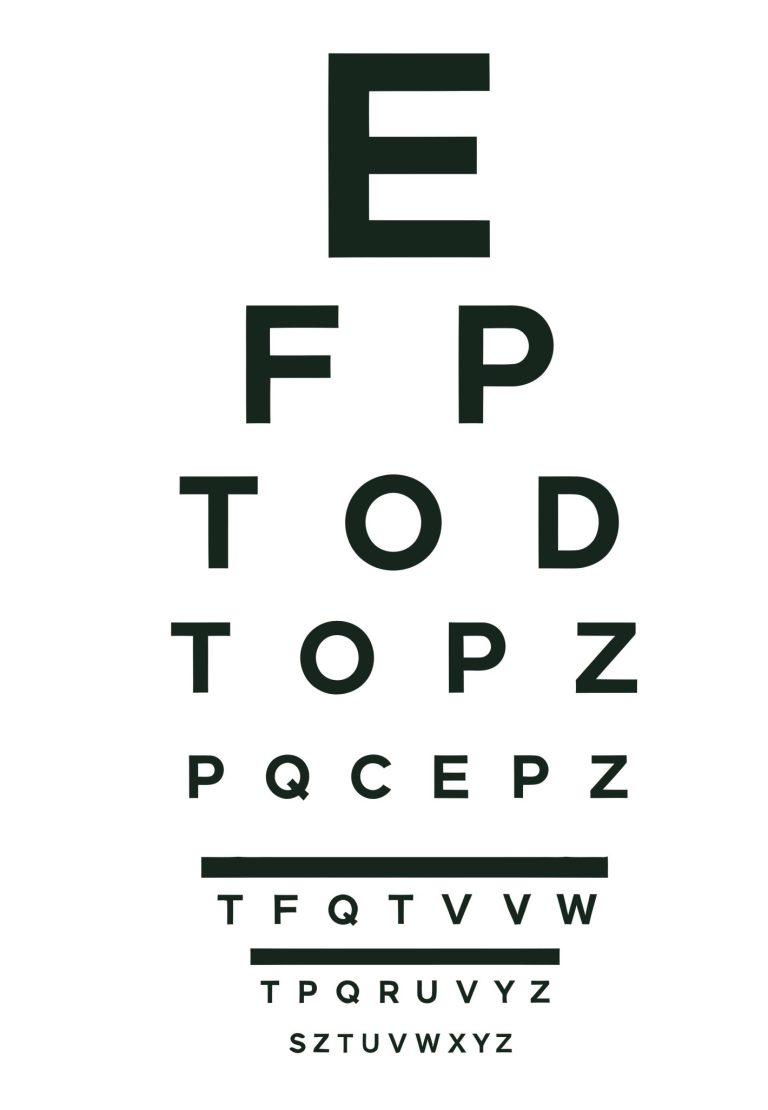
Vision screenings typically measure how well a child can identify letters on a chart from a distance. However, most classroom learning—reading, writing, computer work, and visual attention—occurs at near distances.
Screenings do not evaluate how efficiently the eyes work together or how visual skills support learning and daily activities. As a result, certain vision problems may go undetected.
These may include:
- Lazy eye (amblyopia)
- Eye turns (strabismus), which can be constant or intermittent
- Farsightedness that causes strain or fatigue with near work
- Eye coordination difficulties
- Eye movement and tracking inefficiencies
- Visual perception difficulties, such as challenges with visual memory, visual discrimination, visual sequencing, or spatial awareness
While vision screenings can identify a small number of basic vision problems, they do not assess the full range of visual skills required for reading, learning, and academic performance.
Signs Your Child May Have a Vision Problem
Children often assume that the way they see is normal and may not be able to describe visual difficulties. Instead, vision problems frequently show up through behavior.

Some signs to watch for include:
- Complaints of blurry or double vision
- Headaches or eye strain
- Motion sickness
- Loss of concentration while reading
- Avoidance of reading or near work
- Visual fatigue or frustration with school tasks
If you have concerns about your child’s vision, learning, or visual comfort, a comprehensive eye and vision examination is an important first step.
Schedule an Appointment
To schedule a comprehensive pediatric eye and vision examination with Dr. Vasilakos, please contact our office at 781-829-9400