Contact Lenses
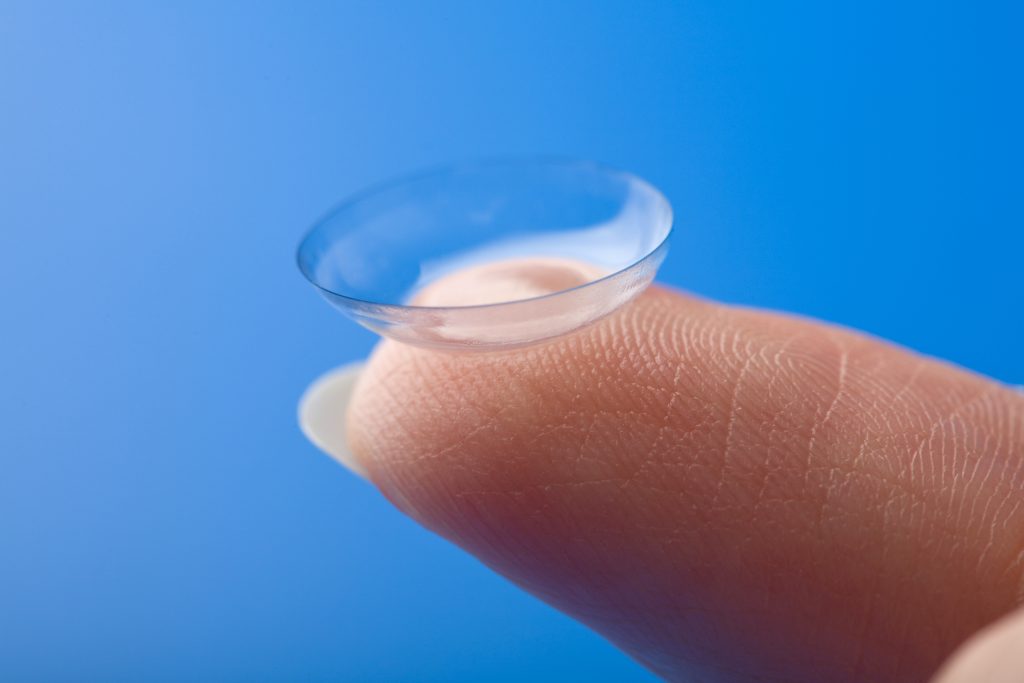
Why choose contact lenses?
First, contact lenses provide excellent side, or peripheral, vision. They don’t get fogged during the rainy weather. Finally, contact lenses match everything you wear.
A contact lens evaluation includes special tests that are not performed during a comprehensive eye examination. Contact lenses are medical devices, regulated by the FDA, which require a fitting and a prescription, including colored, non-prescription cosmetic styles.
When Are Children Ready for Contact Lenses?
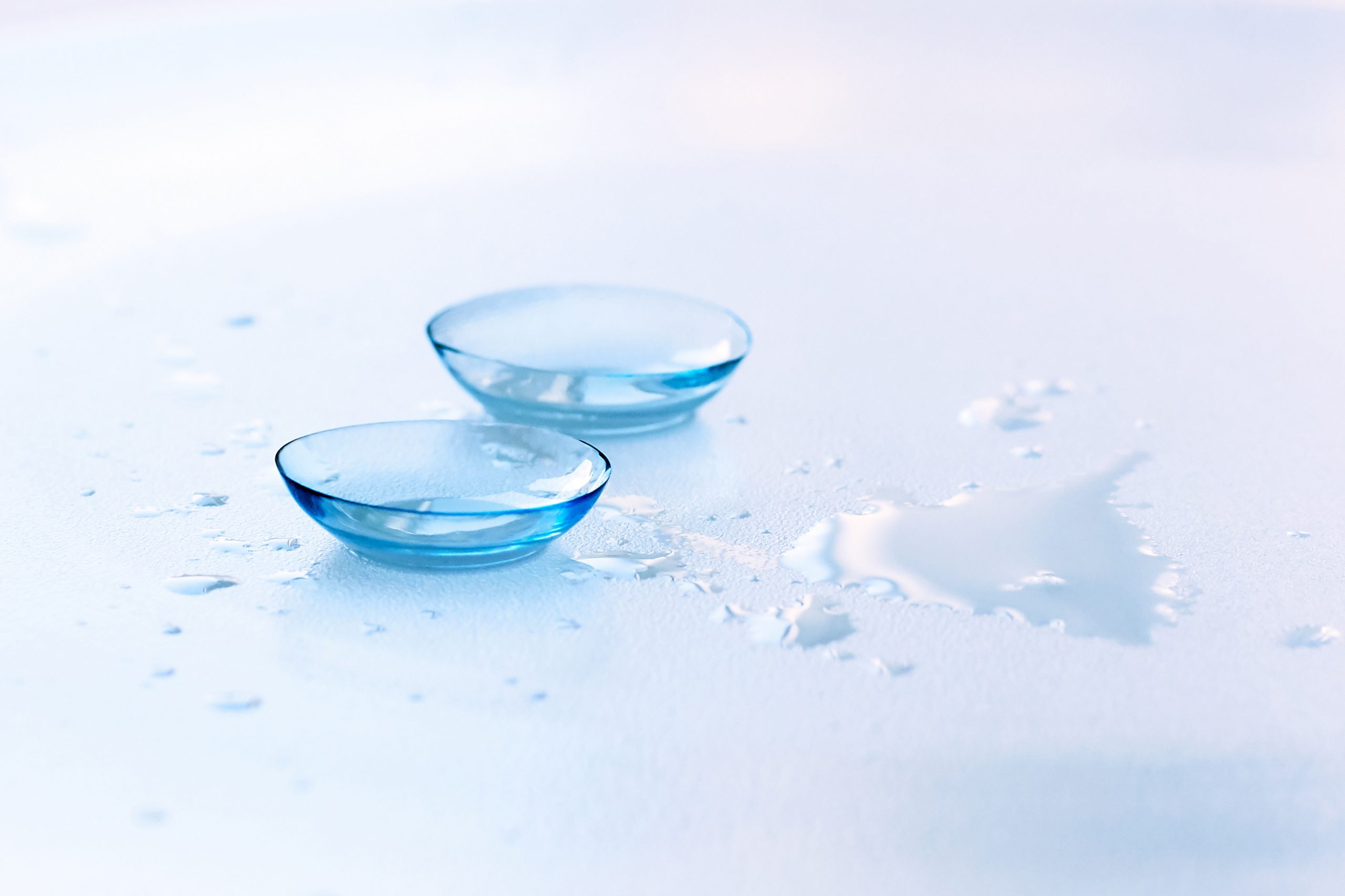
There is no single “right age” for contact lenses — readiness depends more on maturity and motivation than on age alone. Many children are ready as early as 8 to 10 years old, while others may do better waiting until their early teens.
Dr. Laura evaluates contact lens readiness based on several factors:
- Motivation — Is your child asking for contact lenses, or is it primarily a parent’s idea? Children who want lenses tend to handle responsibility more successfully.
- Responsibility — Can your child follow a consistent routine, such as remembering homework or personal hygiene habits?
- Hygiene — Proper handwashing and lens care are essential to eye health and safety.
- Eye Health — Laura will assess whether your child’s eyes are suitable for contact lens wear.
The good news is that daily disposable lenses are an excellent starting point for children — there’s no cleaning solution, no storage case, and no risk of wearing a lens too long. They’re simply worn during the day and discarded at night, making them one of the safest and easiest options for young wearers.
If you’re wondering whether your child is ready, a contact lens consultation with Dr. Laura is the best next step.
Call us at (781) 829-9400 to get started.
Contact Lens Evaluation
The following measurements will be taken during a contact lens evaluation:
- Cornea measurement
- Tear film evaluation
- Evaluation of the interface of the contact and your eye’s surface
Family Eye Care Solutions offers many types of contacts styles to suit your needs. These include:
1. Soft Contact Lenses
Made of soft, flexible plastic that allow oxygen to filter to your eyes.
- Daily Disposable
- Planned Replacement
- Extended Wear or Overnight
- Toric (astigmatism)
- Multifocal
- Monovision
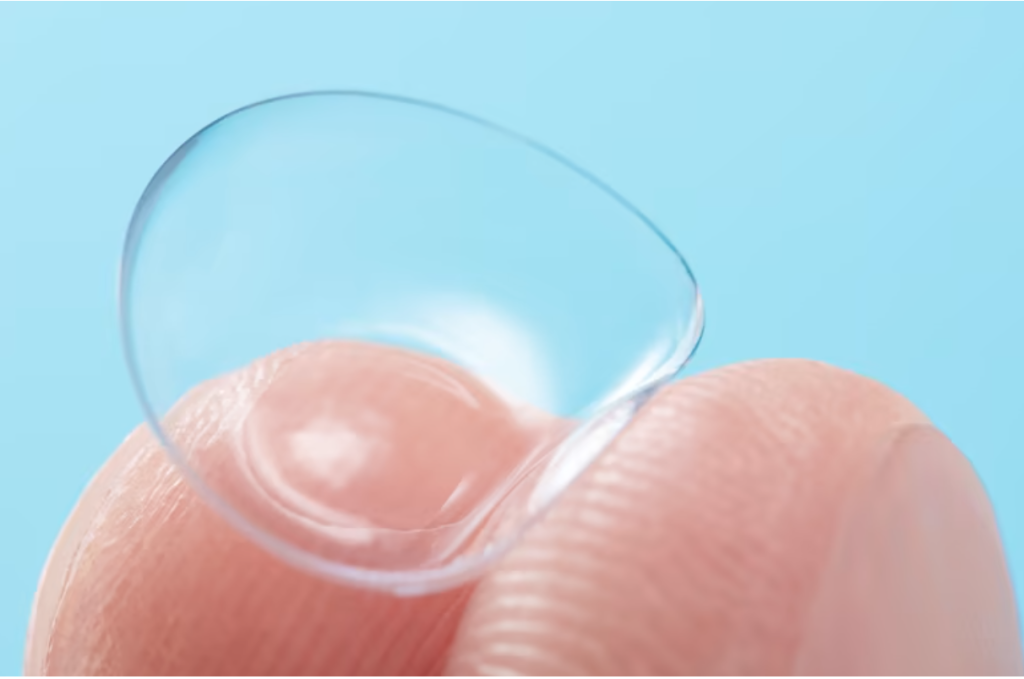
2. Gas Permeable (GP) Lenses
Made of firm, oxygen-permeable plastic that retains its shape and allows for crisp vision.
- Breathe Better
- Smaller In Diameter
- Holds Shape and Moves On The Eye On Each blink
- Provides Sharper Vision
- Last Longer
- May Slow The Progression of Nearsightedness