
Reducing the risk of Myopia

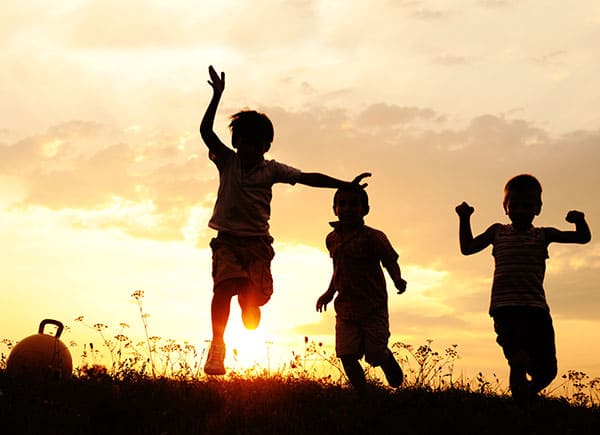
Why?  Spending more time outdoors during the day allows bright light to reach the back of the eye (retina) which stimulates dopamine release that may reduce eye growth. As parents we want our kids to grow but NOT their eyes.  When the eye grows, so does increase nearsightedness (myopia). So get outside and play!  Ride a bike, scooter, play ball, swing In addition, when your child is outside they are viewing objects in the distance, not close like a gamepad or phone. Reading is…
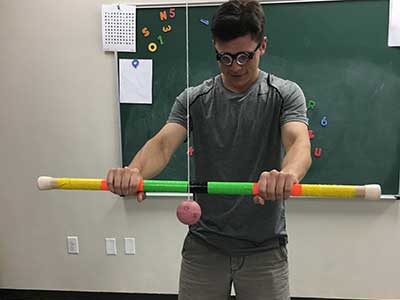
Why Vision Therapy?

20/20 sight does not equal good vision. Why?Sight is measured by using a specified size black letter with high contrast black on a white background at a distance of 20 feet.  Just because you or your child are able to see the letters on the eye chart doesn’t mean you have good vision.Vision involves:the coordination of both eyesrelaying the information seen to your brainthen understanding and processing what you see.We are not born with perfect vision.  Vision is learned and develops…

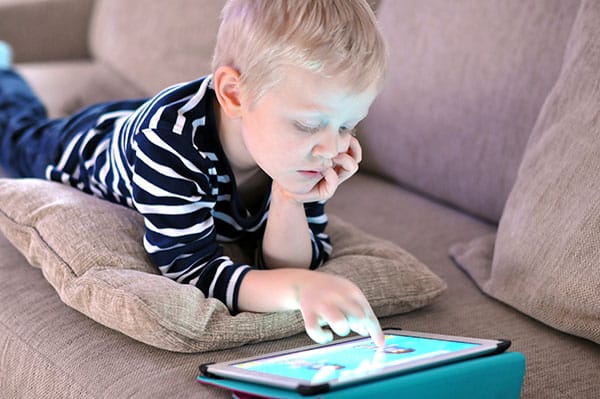
Kids and electronics. It’s time to take a break.

If your kids are glued to their electronics, it’s a good idea to unglue them.  Screen use may cause vision problems.  Recent research suggest that screens could contribute to the onset of problems including near-sightedness and astigmatism.Instead, teach your kids to the 20-20-20 rule: after every 20 minutes using a screen, look at something 20 feet away for 20 seconds.  Better yet, go outside!  Research has also shown that kids who spend more time outdoors are less likely to be near-sighted…

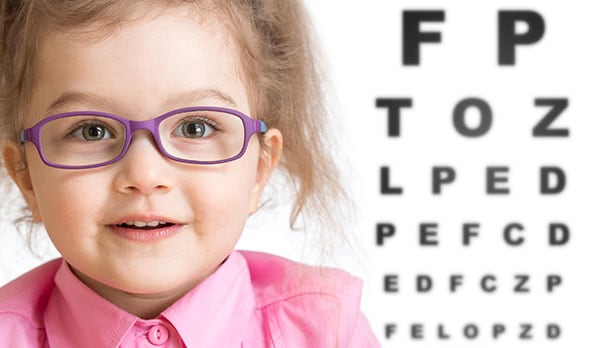
Preschoolers need an eye examination, not a screening.

Nearly 175,000 American preschoolers struggle with common, but untreated, vision problems and that number is expected to rise in the next few years!According to a recent article in the Journal of the American Medical Association, the number of cases of uncorrected poor vision in this very young population will jump 26 percent by 2060.A summary of the article: Visual Impairment in Preschool Children in the United StatesDemographic and Geographic Variations From 2015 to 2060

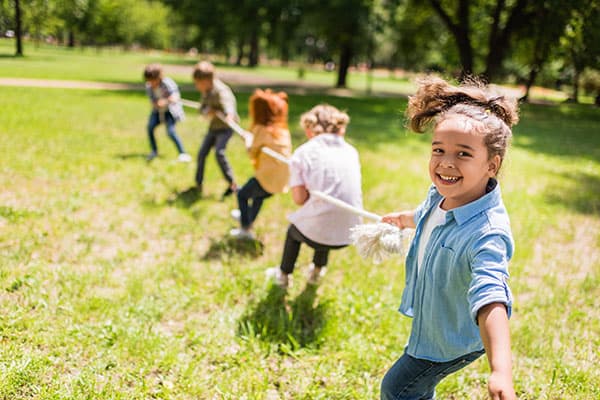
Go Outside and Play!

Children should go outside and play!Time spent outdoors between the ages of 3 to 8 1/2 years was inversely associated with the risk of developing myopia in children between the ages of 10 to 15 years old,” researchers found after examining data on some 2,833 children.  The findings were recently published in Investigative Ophthalmology & Visual Science.Read Full Article Here: Time Outdoors and Myopia Risk

Study Finds Exposure to Sunlight May Reduce Risk of Myopia

In a recent Journal of the American Medical Association Ophthalmology publication, researchers found that seniors “with the highest UVB exposure, especially in the teenage and young adult years, had about a 30 percent lower risk for myopia lowest exposure.”  In addition, exposure to UVB “between the ages of 14 and 29 years was associated with a significant decrease in the chance of developing nearsightedness as an adult.”Read About It Here